
History of cards
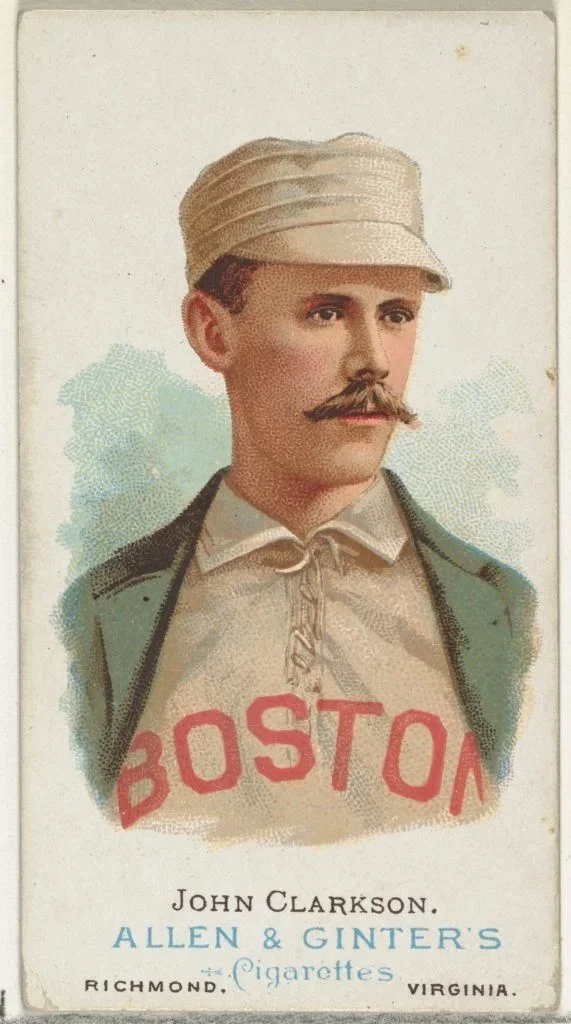
Allen & Ginter cards from the late 1800s were some of the first baseball cards, originally included in cigarette packs as stiffeners and featuring detailed, colorful illustrations of players.
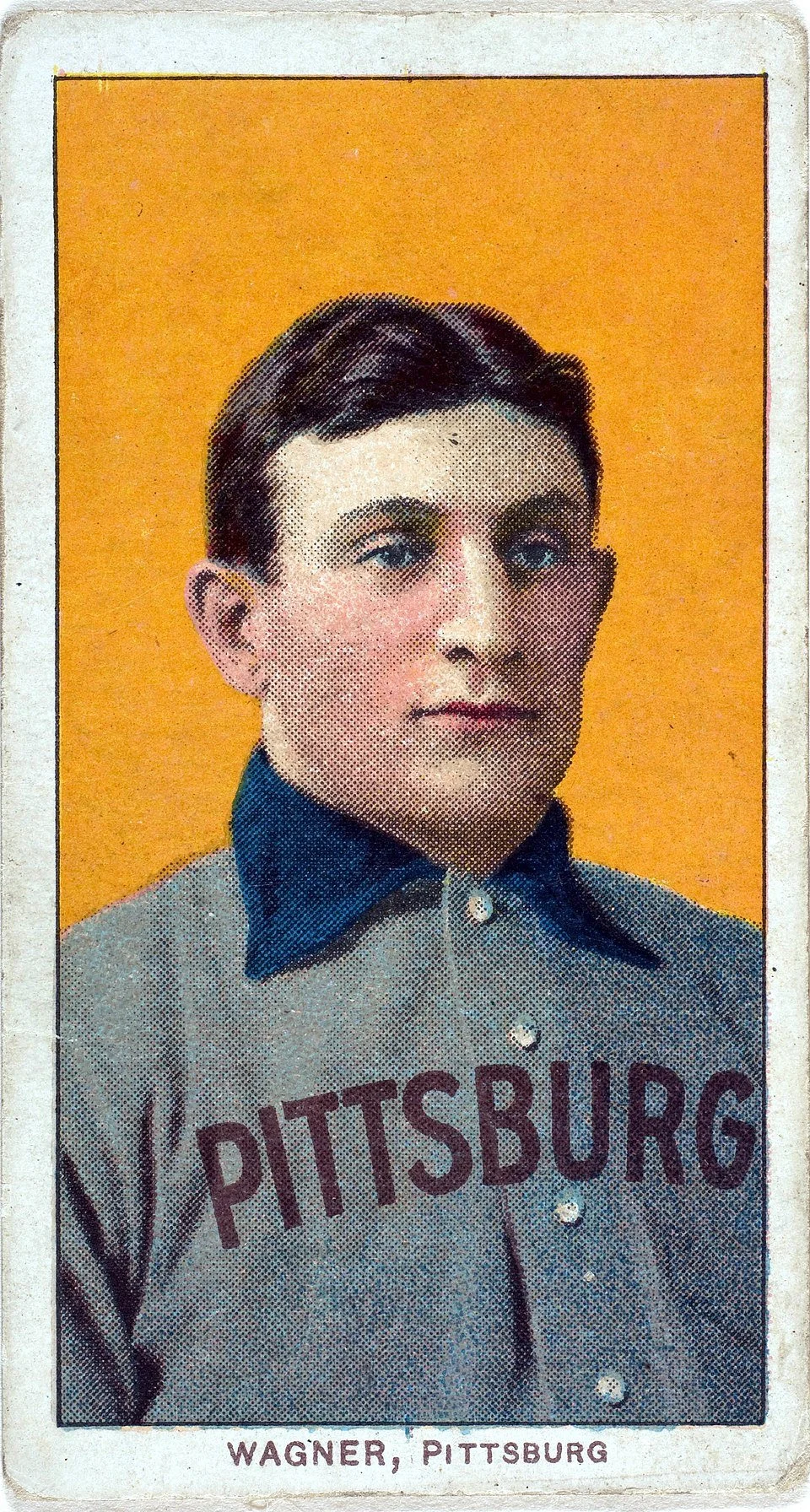
The T206 set (1909–1911) is one of the most iconic baseball card sets ever, known for its tobacco-era origins, legendary players, and the ultra-rare Honus Wagner T206 card.
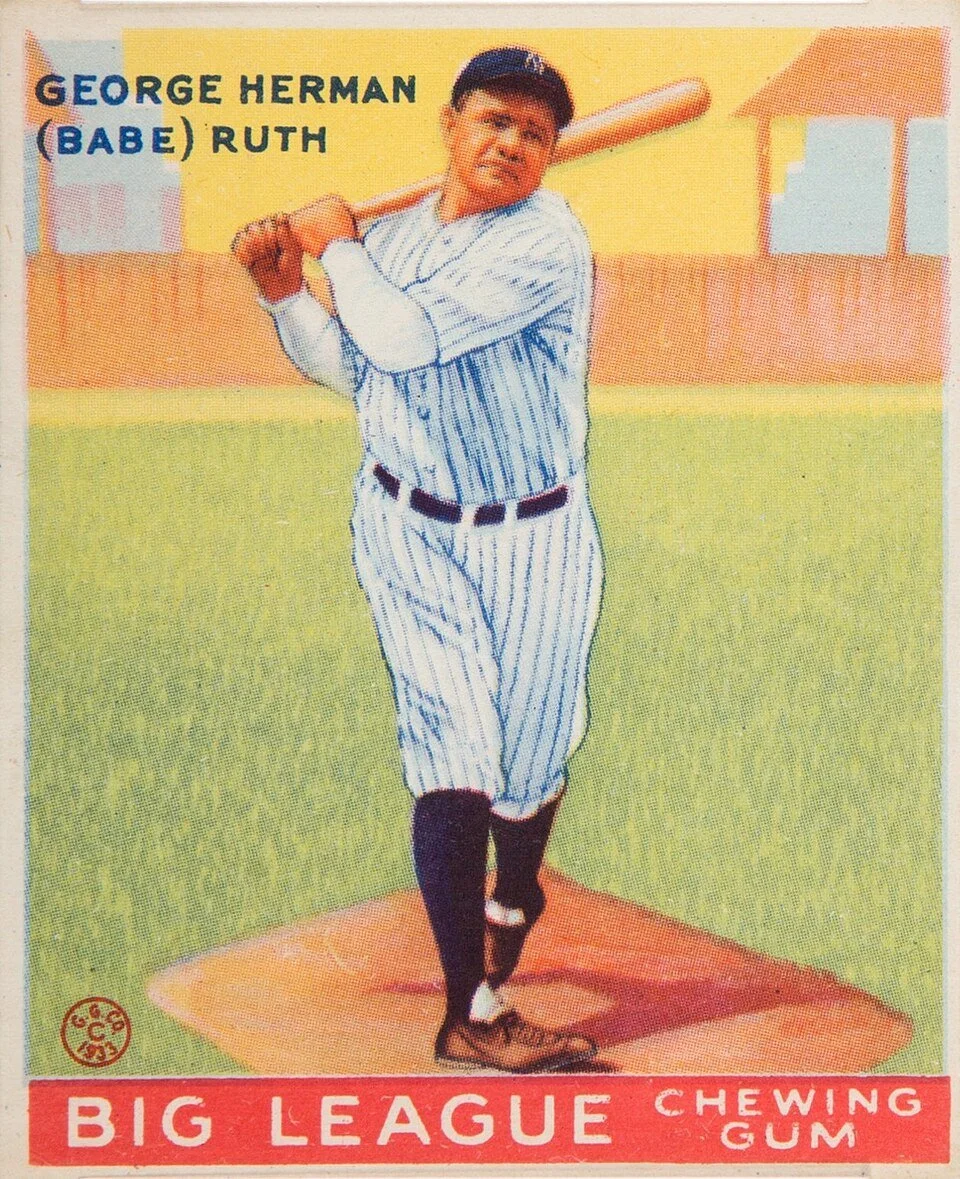
Goudey cards from the 1930s were some of the first major gum-issued baseball cards, known for their bright colors, larger size, and iconic stars like Babe Ruth
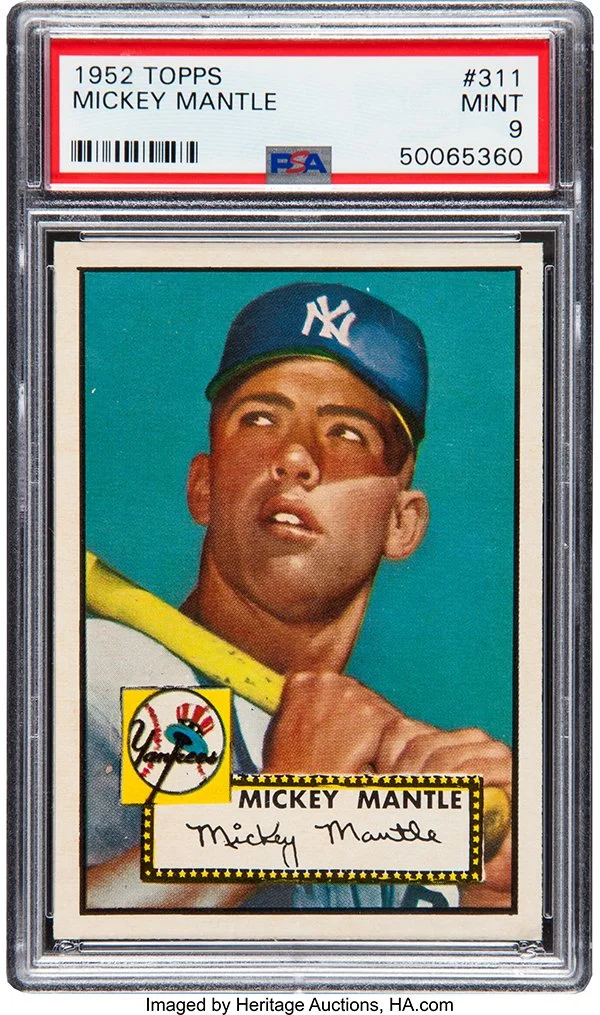
The 1952 Topps Baseball set 1952 is one of the most important sets ever, helping define modern baseball cards and featuring the legendary 1952 Topps Mickey Mantle.
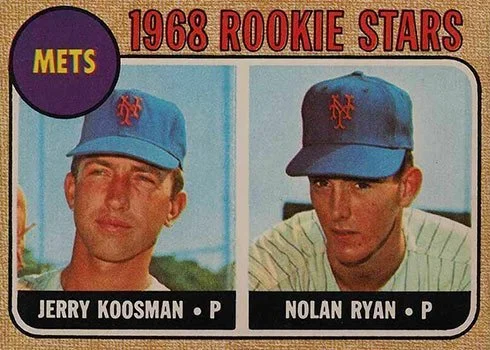
During the 1960s and 1970s, Topps dominated the baseball card market, becoming the standard brand for collectors.
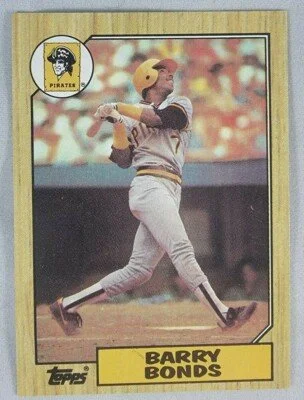
The Junk Wax Era was defined by massive overproduction from companies like Donruss, Fleer, and Upper Deck, which led to most cards having little value today.
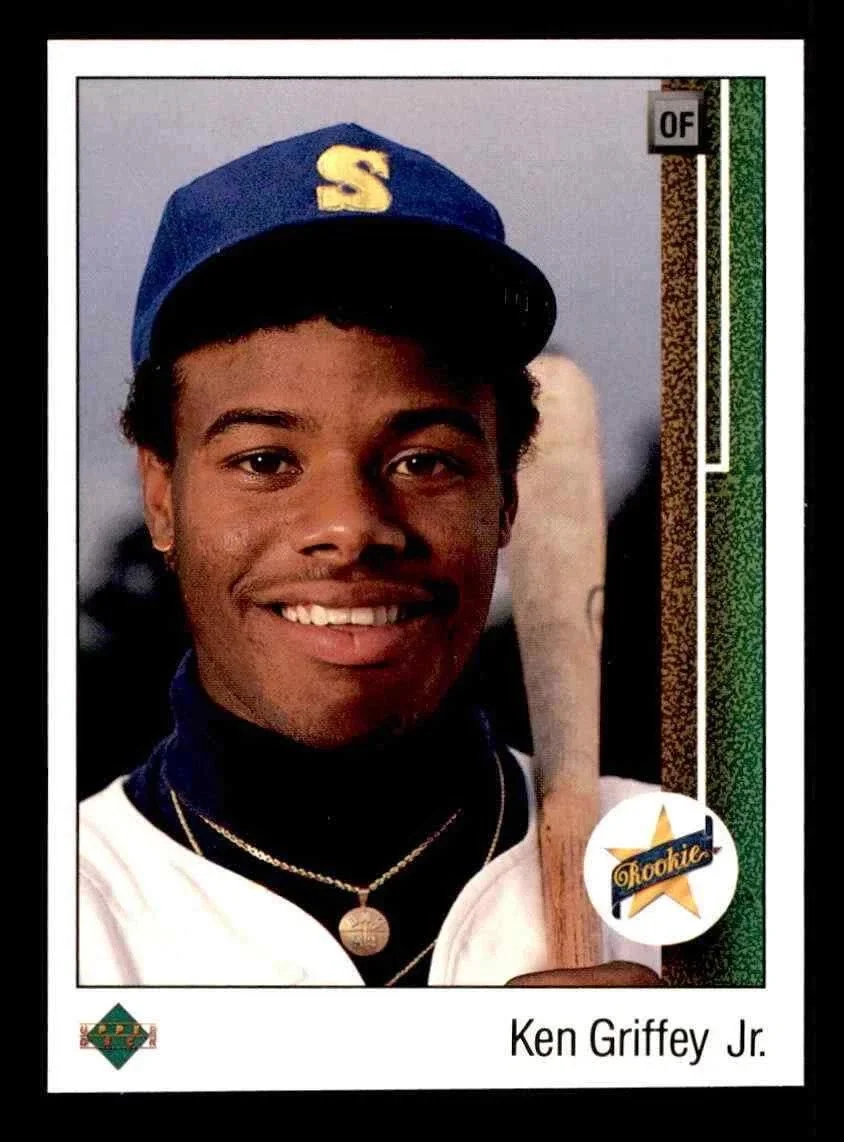
Upper Deck changed the hobby by introducing premium card design, better print quality, and the first widely distributed pack-inserted autographs, raising expectations for what a baseball card could be.
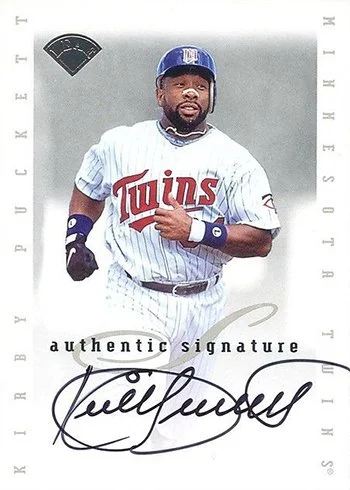
In the late 1990s and 2000s, companies introduced autographs, relics, and numbered cards, changing the hobby by adding rare “hit” cards.
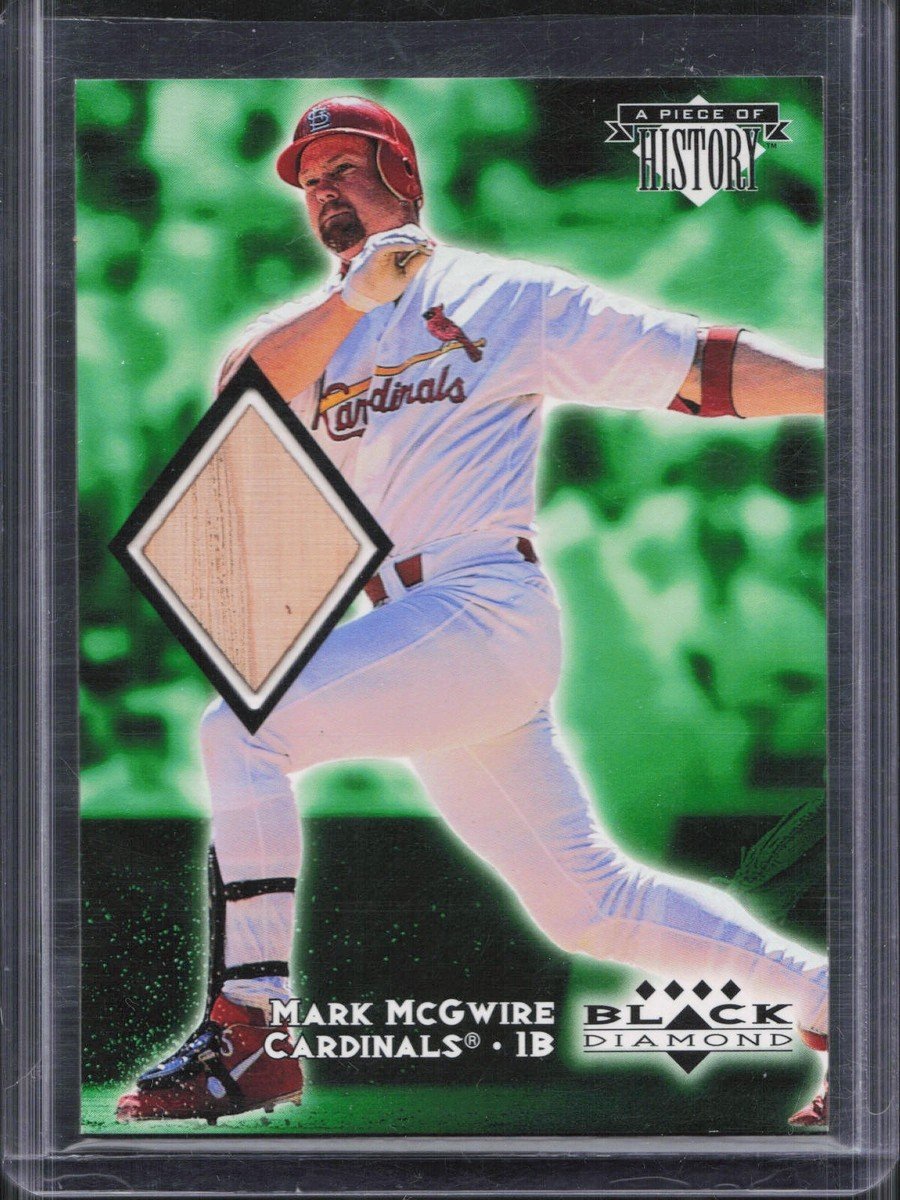
In the late 1990s and 2000s, companies introduced autographs, relics, and numbered cards, changing the hobby by adding rare “hit” cards.
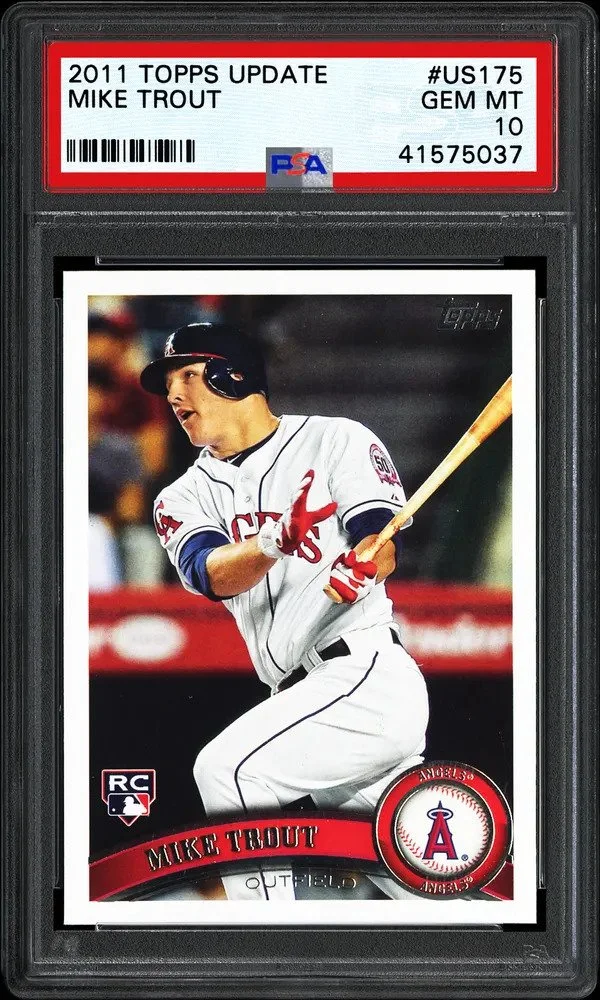
In the 2010s, the hobby grew with a stronger focus on rookie cards, grading, and online marketplaces like eBay.
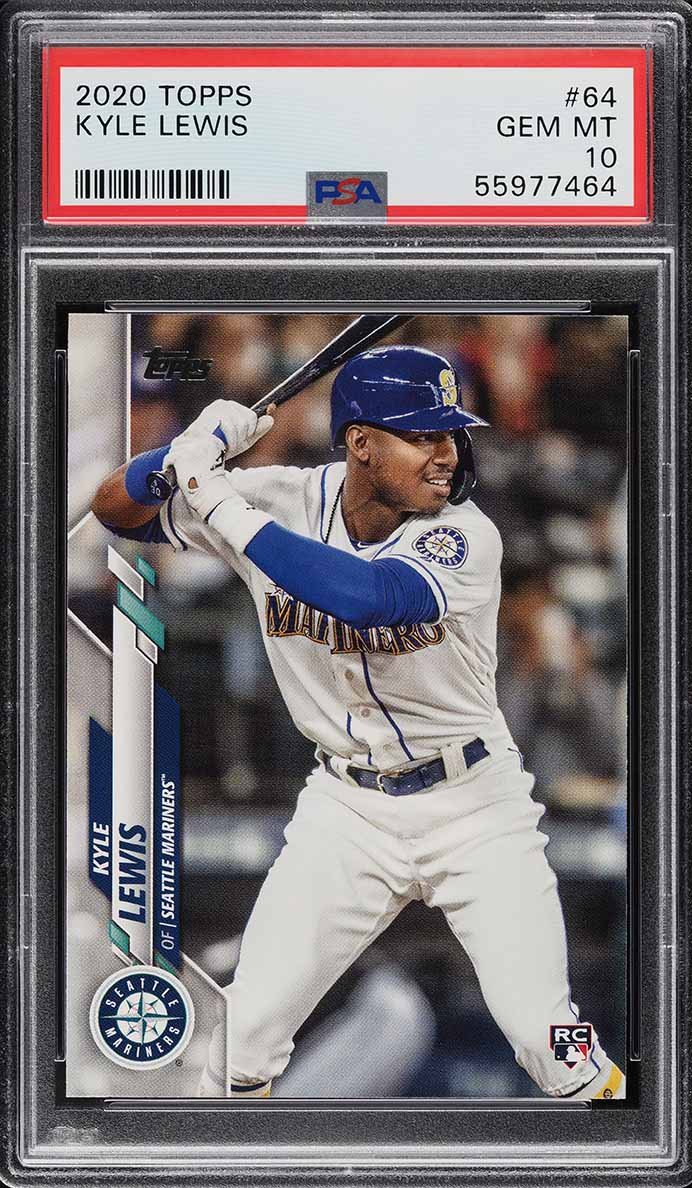
During the pandemic, the hobby exploded in popularity as prices surged and a wave of new collectors entered the market.
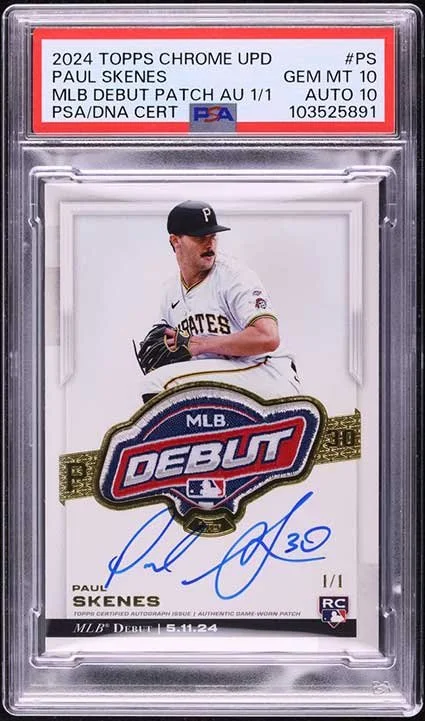
Today, the hobby centers on high-end cards and limited print runs, with Fanatics controlling MLB cards through Topps.